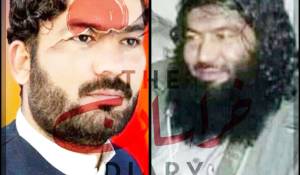
Sultan Aziz Azzam, the founder of the Al-Azaim
Foundation—ISIS-K's official media outlet responsible for recruitment
efforts—and spokesperson for the organisation, has been apprehended by Pakistan’s
premier Intelligence agency.
In June of this year, the encrypted accounts belonging to
Islamic State Khorasan were abruptly deactivated via a kill switch, prompting
inquiries and discussion across multiple platforms linked to its global
activities. Since that event, the volume of its propaganda output has
significantly declined, although the underlying cause for this reduction remained
largely unidentified.
Pakistani authorities have recently carried out several
high-profile arrests targeting ISKP’s, including the detention of group
spokesperson Sultan Aziz Azzam on May 16, 2025, stated the Sixteenth report of
the Analytical Support and Sanctions Monitoring Team, the operation was conducted by Pakistan's Inter- Services Intelligence .
The crackdown has disrupted the group’s ability to organize
and execute major attacks on both sides of the Afghanistan-Pakistan border. As
a result, several planned attacks have been thwarted, and the number of ISIL-K
fighters has reportedly declined, with key commanders and ideologues
neutralized, noted the report.
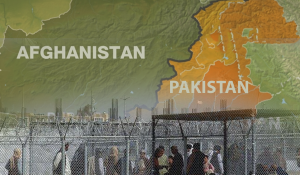
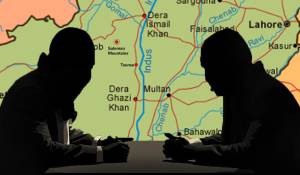
Two Senior Pakistani intelligence official confirmed the
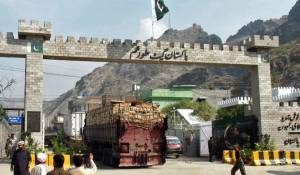
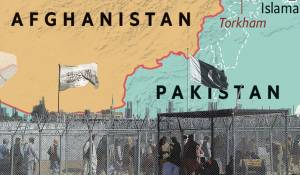
arrest to The Khorasan Diary, “he was arrested from the border areas of
Pakistan and Afghanistan, between Nangarhar and Khyber Pakhtunkhwa” they said,
adding that Azzam’s arrest was part of a major operation against ISKP in which
several top leaders and associates have been arrested. “The operational details
had not been made public because it would have affected ongoing counter
terrorism efforts” they told The Khorasan Diary.

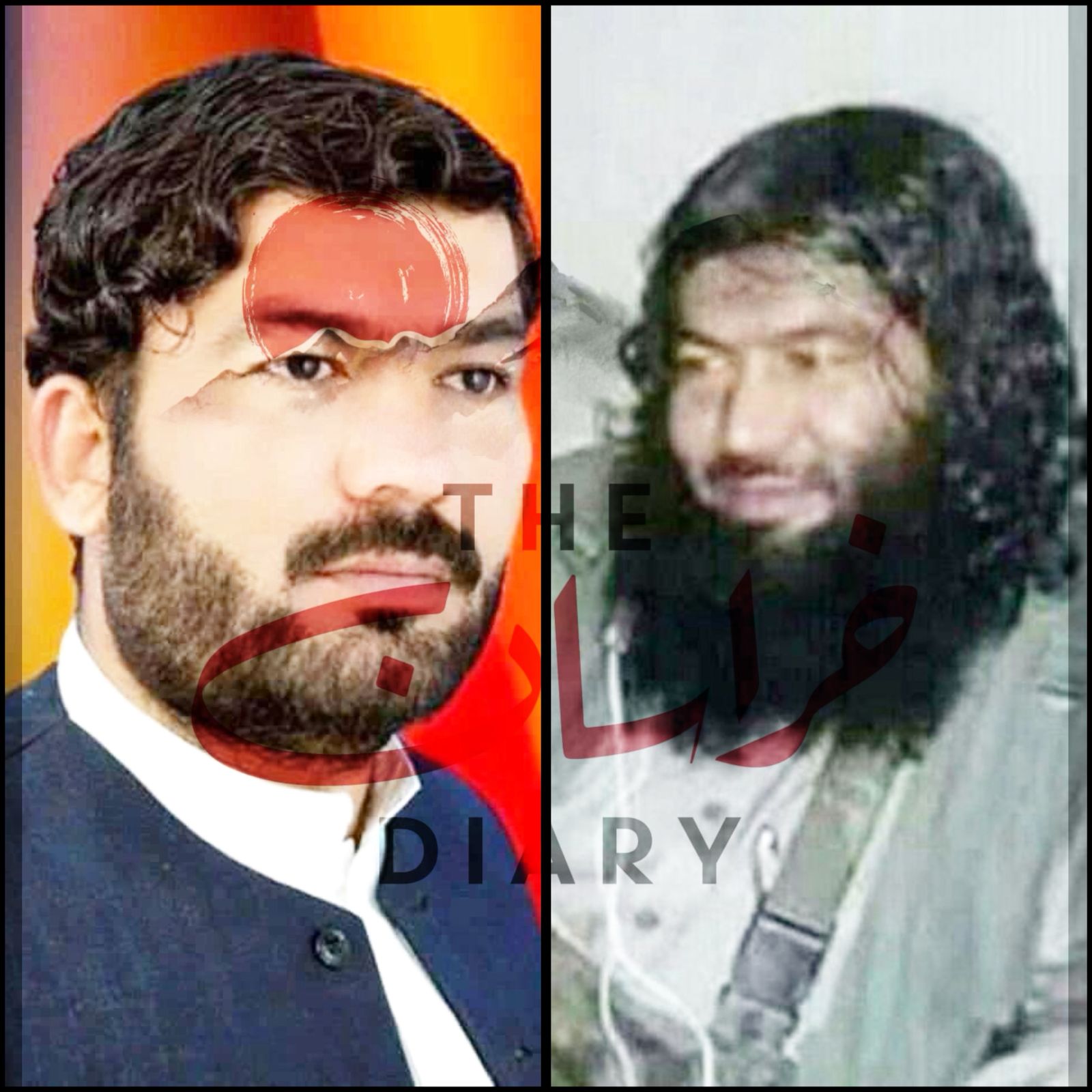
Sultan Aziz Azzam after the arrest by Pakistani authorities
Recent counter-terrorism operations conducted by Pakistani
authorities have substantially weakened ISIL-K, disrupting its ability to plan
and execute major attacks within Afghanistan and Pakistan. The apprehension of
high-profile individuals, including spokesperson Sultan Aziz Azzam in May 2025
and senior leader Abu Yasir al-Turki, has resulted in the elimination of key
commanders and a decline in the group's operational strength. These efforts
have also led to the suspension of significant propaganda platforms such as
“Voice of Khorasan.” While English-language propaganda activities have been
curtailed, ISIL-K continues to disseminate material in other languages,
apparently unaffected by regional internet outages, possibly due to external
hosting solutions or satellite communication technologies.
Early Life and Media Career
Sultan Aziz Azzam was born in 1980 in the Bati Kot district
of Nangarhar province, eastern Afghanistan. Raised in a region known for its
strong tribal structures and religious conservatism, Azzam’s formative years
were shaped by the cultural and ideological currents that have long influenced
eastern Afghanistan. These early experiences would later inform both his
professional path and his ideological transformation.
Before entering the media sector, Azzam served as an advisor
to the Nangarhar Provincial Council. This role gave him early exposure to local
governance, political dynamics, and community engagement—skills that would
later prove instrumental in his transition to public communication and influence.
Azzam’s broadcasting career began with Spinghar Radio,
based in Shergar, a key area in the Shinwar district of Nangarhar province. He
later worked with Hamesha Bahar Radio and Nan Radio, both based
in Jalalabad, the provincial capital. These Nangarhar-based stations provided
him with a platform to host and produce literary and cultural programs,
including serialized radio dramas that resonated with local audiences. His
eloquence, storytelling ability, and command of both Pashto and Dari quickly
earned him a reputation as a compelling communicator, The Khorasan Diary spoke
to several people he was known to.
Through his work in the media, Azzam became a familiar voice
in Nangarhar’s public sphere. His growing prominence, combined with his
background in provincial politics, positioned him as a trusted figure in the
community. These experiences not only sharpened his communication skills but
also expanded his social networks assets that would later be co-opted for
ideological messaging and militant propaganda.
Transition to
ISIS-Khorasan
By 2013–2014, Sultan
Aziz Azzam had reportedly joined the Islamic State Khorasan Province (ISIS-K),
the regional affiliate of ISIS operating in Afghanistan and Pakistan and the
larger region known as Khorasan. His recruitment coincided with ISIS-K’s
strategic expansion into eastern Afghanistan, where the group sought
individuals with media expertise, religious credibility, and local influence.
Azzam’s profile made
him an ideal candidate. His fluency in regional languages, deep understanding
of local culture, and professional media background allowed him to craft and
disseminate ISIS-K’s ideological messaging with precision. Recruitment into
ISIS-K often relied on tribal, familial, and ideological networks structures
that Azzam was already embedded in through his previous roles.
His case illustrates
how extremist groups actively seek out individuals with specialized skills not
just fighters or ideologues, but also communicators capable of shaping public
perception. Azzam’s transition from journalist to propagandist underscores the
strategic value of media in modern militant movements.
Role Within ISIS-K
Once integrated into
ISIS-K, Azzam quickly rose to become the group’s chief media spokesman and head
of information operations. He was responsible for producing propaganda
materials, issuing official statements, and coordinating messaging between
field units and central media teams.
His speeches and video
messages were disseminated through ISIS-affiliated platforms, often focusing on
recruitment, ideological justification, and the glorification of attacks. These
messages were crafted to appeal to both local and transnational audiences,
portraying ISIS-K as a disciplined, ideologically coherent, and operationally
capable force.
While some reports
suggest that Azzam may have had advisory input in operational planning, his
primary influence lay in shaping the group’s public image. His ability to
control the narrative helped ISIS-K gain visibility, attract recruits, and
project strength—even as it faced military pressure from Afghan, U.S., and
later Taliban forces.
Conflicting Reports
on His Status
In 2018, several media
outlets reported that Sultan Aziz Azzam had been killed in a U.S. drone strike.
However, in a press briefing in 2023, the Taliban government publicly confirmed
that Azzam is alive and currently residing in Pakistan. This contradiction
highlights the persistent uncertainty surrounding the status of high-profile
militant figures.
Such ambiguity is not
uncommon in the world of non-state armed groups, where leaders often operate
under aliases, move across porous borders, and are shielded by ideological
networks. The lack of verifiable information complicates counterterrorism
efforts and underscores the fluid nature of militant leadership structures in
the region.
International
Designation
On December 1, 2021,
the U.S. Department of the Treasury’s Office of Foreign Assets Control (OFAC)
designated Sultan Aziz Azzam as a Specially Designated Global Terrorist
(SDGT) under Executive Order 13224. This designation targets individuals
involved in financing, supporting, or leading terrorist activities.
Azzam’s inclusion on
the SDGT list reflects the strategic importance of propaganda in ISIS-K’s
operations. His role in shaping the group’s narrative was not viewed as
peripheral but central to its ability to recruit, radicalize, and mobilize
supporters. The designation also signals a broader recognition by international
actors that information warfare is a critical front in the fight against
terrorism.
Legacy and
Implications
Sultan Aziz Azzam’s
trajectory from local radio host to a central figure in militant propaganda offers
a compelling case study in how professional expertise can be weaponized for
ideological warfare. His story illustrates the intersection of communication
skills, political access, and radical ideology in the making of a modern
extremist leader.
For
counter-radicalization efforts, Azzam’s case underscores the need to go beyond
ideological narratives and address the tactical use of media, storytelling, and
public influence. Preventing radicalization requires not only challenging
extremist ideas but also disrupting the pathways through which professional
talent is co-opted into violent movements.
As ISIS-K continues to
evolve, figures like Sultan Aziz Azzam remind us that the battle for hearts and
minds is as critical as any military campaign. Understanding how individuals
like him rise and how their skills are harnessed remains essential to
countering the broader threat.
[Sultan Aziz Azzam’s
profile is an abridged version of a book on the Islamic State Khorasan by the
author]